Perry's Pen
A showcase for George Perry's writing
recent posts
about
Category: Google Gemini
-
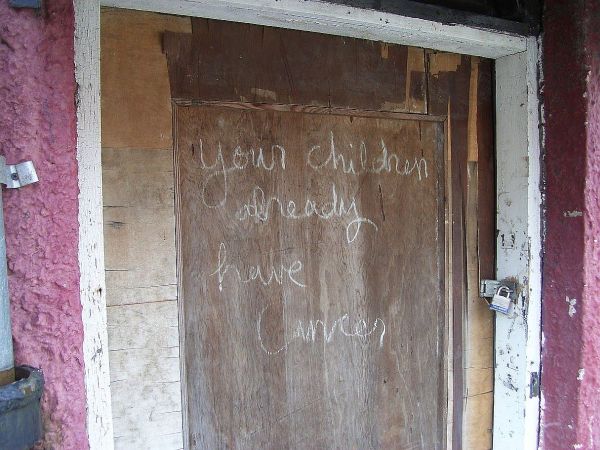
In 2010, the author captured a haunting image in New Orleans that evokes feelings about cancer diagnoses, particularly regarding loved ones. The unsettling, handwritten message on a weathered plywood door evokes deep reflection on loss and evictions. A conversation with Google Gemini led to intriguing insights about New Orleans, sparking further exploration.
-

William S. Burroughs, an iconic figure of counter-culture, pioneered radical artistic methods like the cut-up technique and shotgun paintings, anticipating debates in today’s AI and LLMs. His experiments with randomness and creativity foreshadow modern generative methods, connecting 20th-century literature to contemporary AI discourse on authorship and creativity.
-

The argument claiming that generative AI is theft equates learning with larceny, overlooking that observation and analysis do not constitute duplication. Like students and teachers, AI processes information to create new art, reflecting collective human heritage. Copyright protects expression, not ideas, emphasizing that creation is rooted in shared knowledge and inspiration.
-

The author responds to being labeled a purveyor of “AI SLOP,” arguing that such dismissive terms reflect ignorance. They share humorous AI-generated definitions of those who use it and outline their trust in AI-generated content after initial skepticism. The article emphasizes the influence of AI on society despite opposition.
-
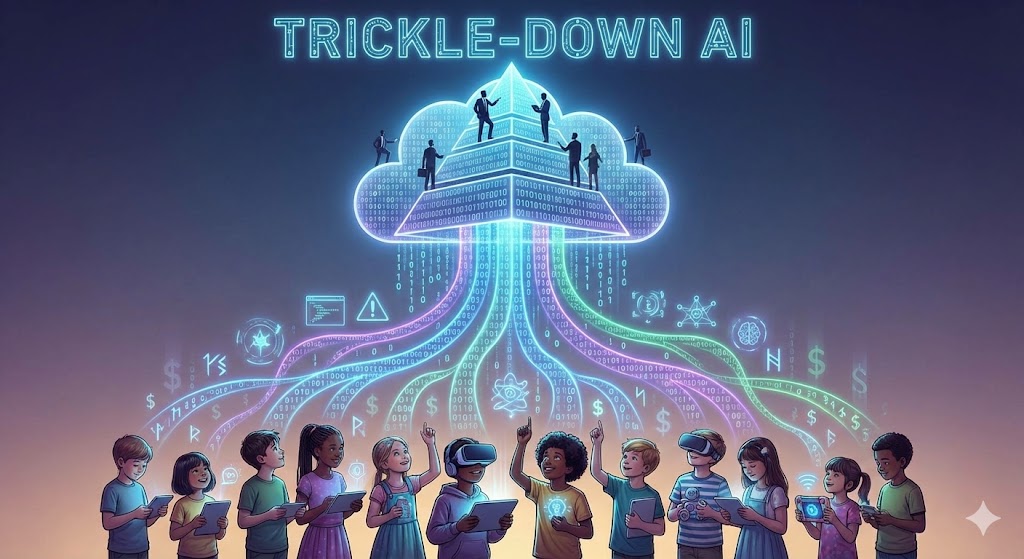
The article discusses “Trickle-Down AI,” where artificial intelligence technology quickly spreads among children, contrasting with the failure of “Trickle-Down Economics.” It highlights changes in childhood play, early adoption of AI by kids, its benefits for those with learning needs, and the need for children’s voices in decision-making about AI technologies.
-

The author compiles posts about AI for easy access, discussing its benefits in productivity, education, and creativity. Key topics include the importance of precise prompts in AI, foundational learning before using technology, and playful engagement with AI tools. The content promotes the positive potential of AI while addressing skepticism.
-

The blog discusses the annoyance caused by phrases like “Can we please…,” often perceived as passive-aggressive and condescending. It provides insights into underlying dynamics, such as infantilization and manipulation. Techniques to respond assertively are suggested, promoting direct communication while preserving professionalism. Understanding these nuances aids everyone in effective interactions.
-
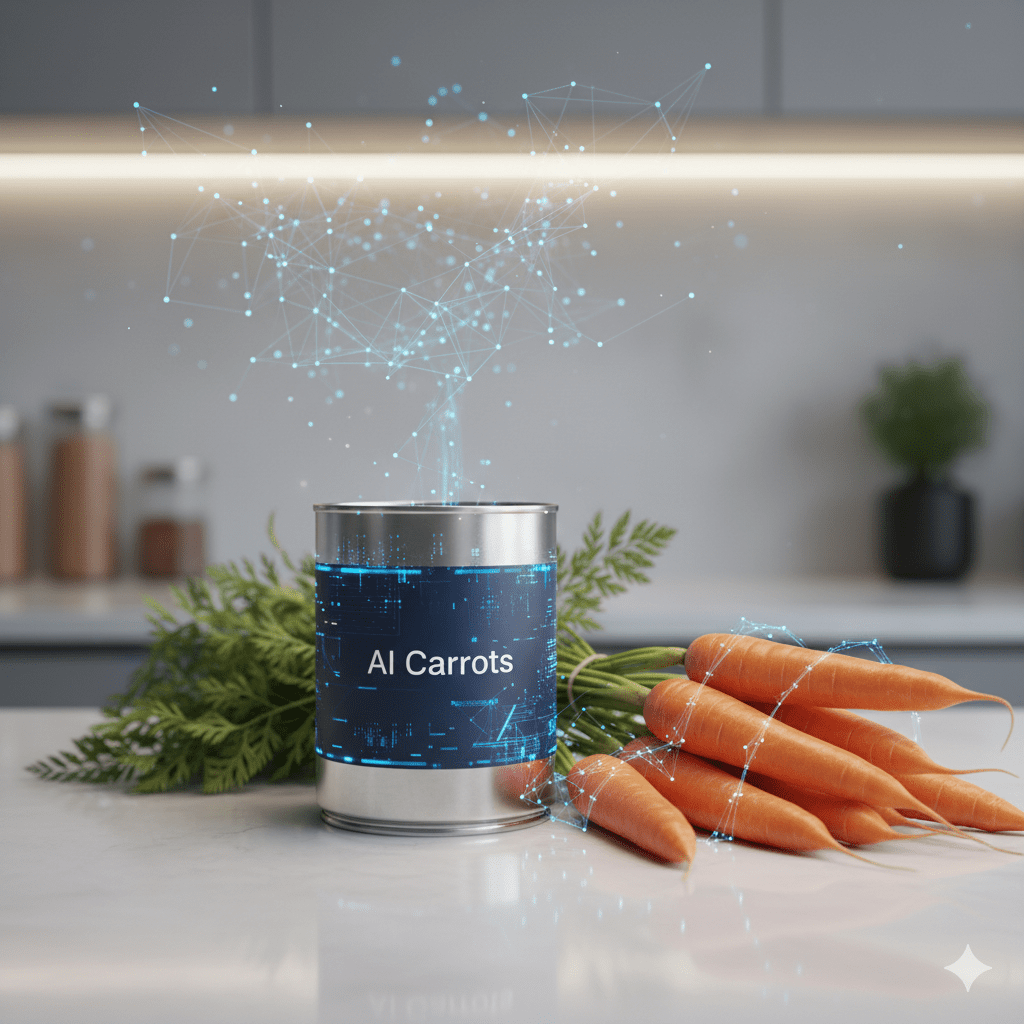
The post compares the advancement of AI in the workplace to canning and refrigeration’s impact on nutrition. It argues that, like canned and frozen carrots made nutritious food available year-round, AI tools enhance productivity and creativity. The backlash against AI resembles resistance to technological progress, despite its potential benefits.
-
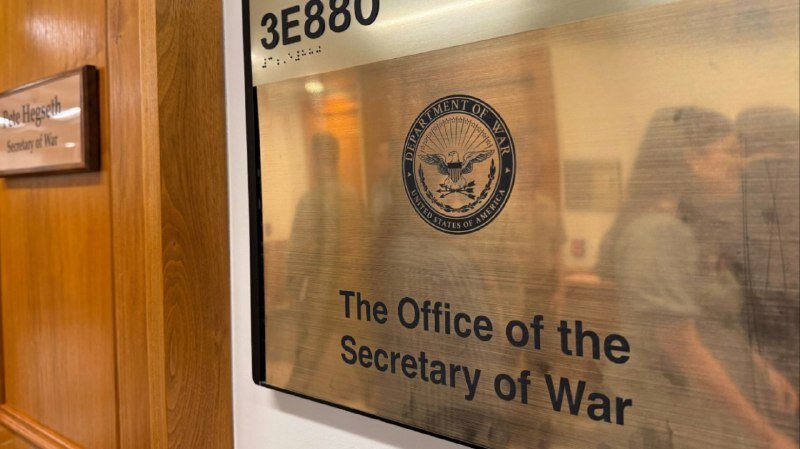
While the world watches the staged “Civil War” between Trump and MTG over the Epstein flight logs, the US Navy is parking a nuclear carrier off the coast of Venezuela. Operation Southern Spear isn’t about drugs—it’s an invasion plan ratified during the government shutdown. Read why the Deep State wants you looking at the files,…
-
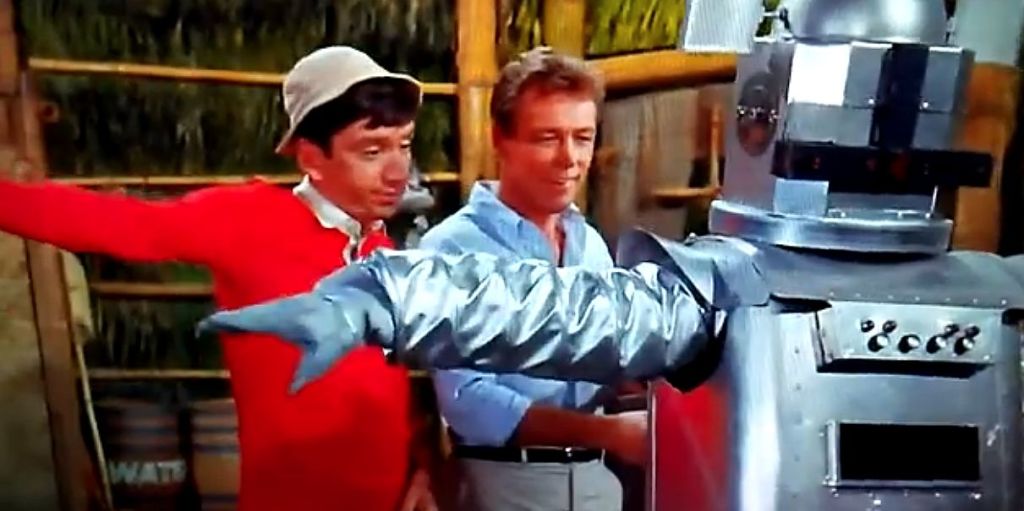
The author discusses how watching familiar TV shows like Gilligan’s Island aids sleep and relaxation. They draw an analogy between the show’s robotic character and AI, emphasizing the importance of precise instructions for effective results. Future blog posts will explore AI concepts using themes from each character in the show.
 Perry's Pen