Perry's Pen
A showcase for George Perry's writing
Category: Humor
-
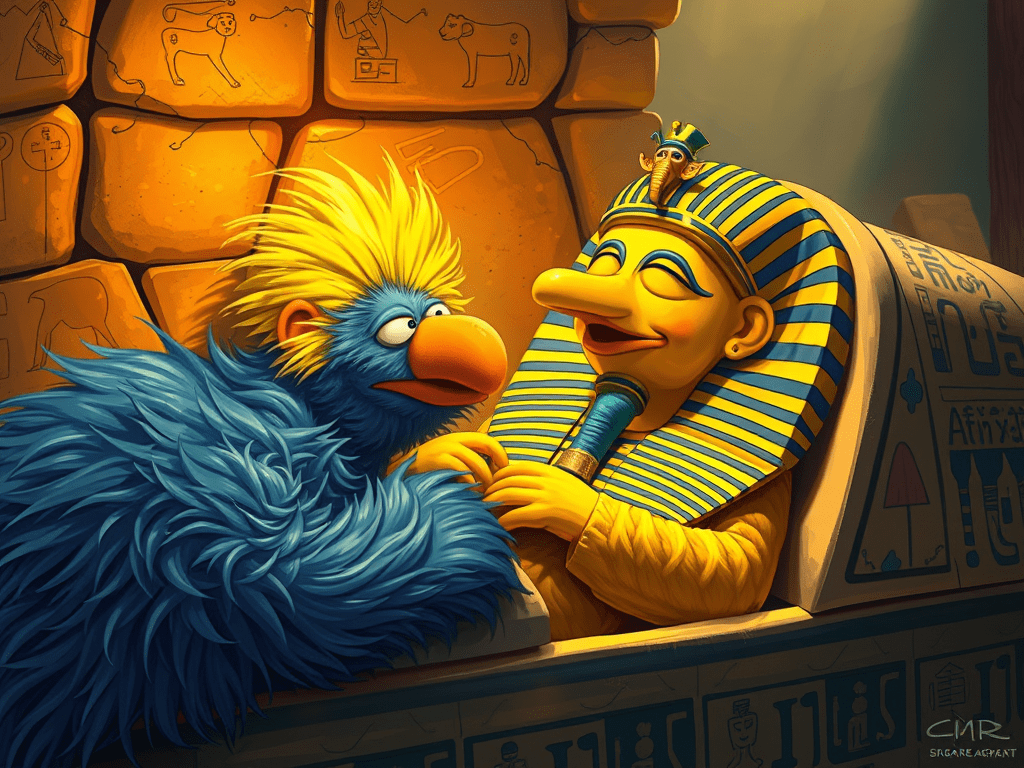
The author reflects on a friend’s recent trip to Egypt, sharing amusing videos and a humorous rhyme on social media about mummies and Sesame Street characters. Inspired by this experience, they create a lighthearted poem combining elements of Ancient Egypt, childhood nostalgia, and medical issues, blending humor with cultural references.
-

In 2010, the author captured a haunting image in New Orleans that evokes feelings about cancer diagnoses, particularly regarding loved ones. The unsettling, handwritten message on a weathered plywood door evokes deep reflection on loss and evictions. A conversation with Google Gemini led to intriguing insights about New Orleans, sparking further exploration.
-

In the 50s and 60s, individuals could send poems with $50 to create personalized records, primarily in country and pop genres, utilizing session musicians. This art form mirrored modern AI systems, as both produce results without true talent. Song-Poems democratized artistry, reflecting ongoing discussions about creativity’s essence in the AI era.
-

Read why we ought to have Grandma Lanes and enjoy a festive song.
-

The author expresses a strong dislike for em dashes, attributing this aversion possibly to their social class rather than age. They humorously note that such punctuation was absent from their background and share a fun memory of working on the DASH line at a Ford truck plant, emphasizing their unique perspective.
-

This content emphasizes the significance of humor as a vital social signal in human interactions. Humor showcases social awareness, emotional intelligence, and cognitive flexibility while fostering connections and creativity. It serves as an essential leadership tool and a means to humanize complex topics, ultimately enhancing trust and influence within interpersonal relationships.
-

The author responds to being labeled a purveyor of “AI SLOP,” arguing that such dismissive terms reflect ignorance. They share humorous AI-generated definitions of those who use it and outline their trust in AI-generated content after initial skepticism. The article emphasizes the influence of AI on society despite opposition.
-
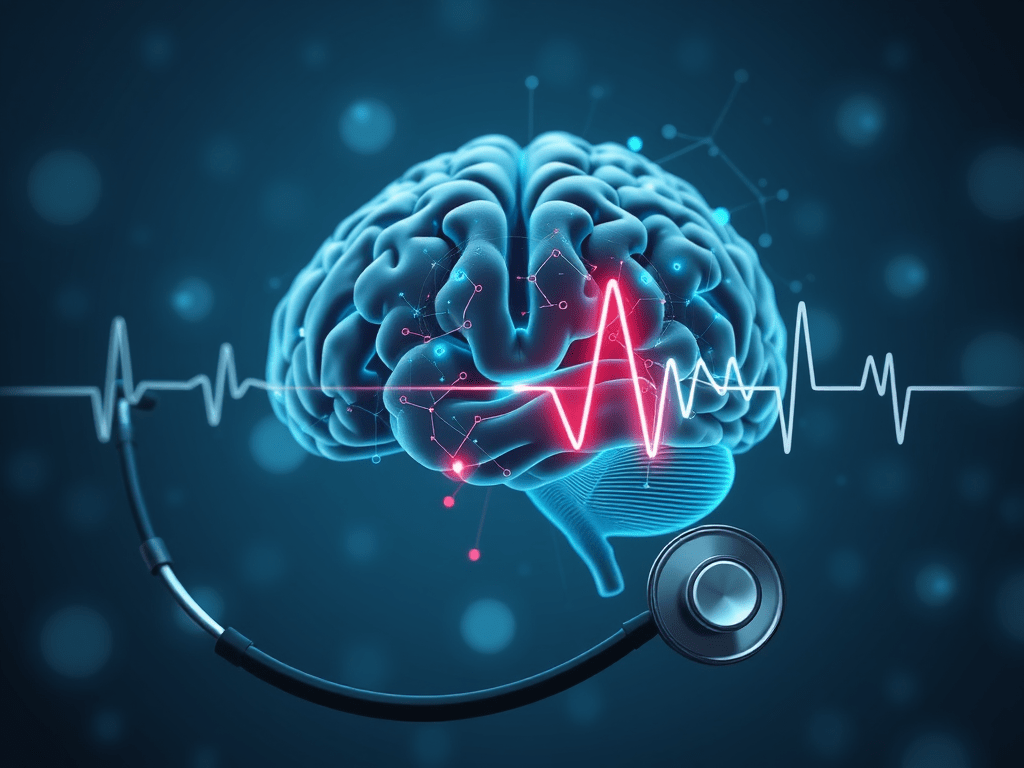
A LinkedIn post started a conversation about what questions people should avoid asking AI. The author playfully used AI to answer and found that it gave a strong warning against using AI for medical diagnoses. The answer pointed out that AI has limits, especially when it comes to judging physical health or handling emergencies.
-
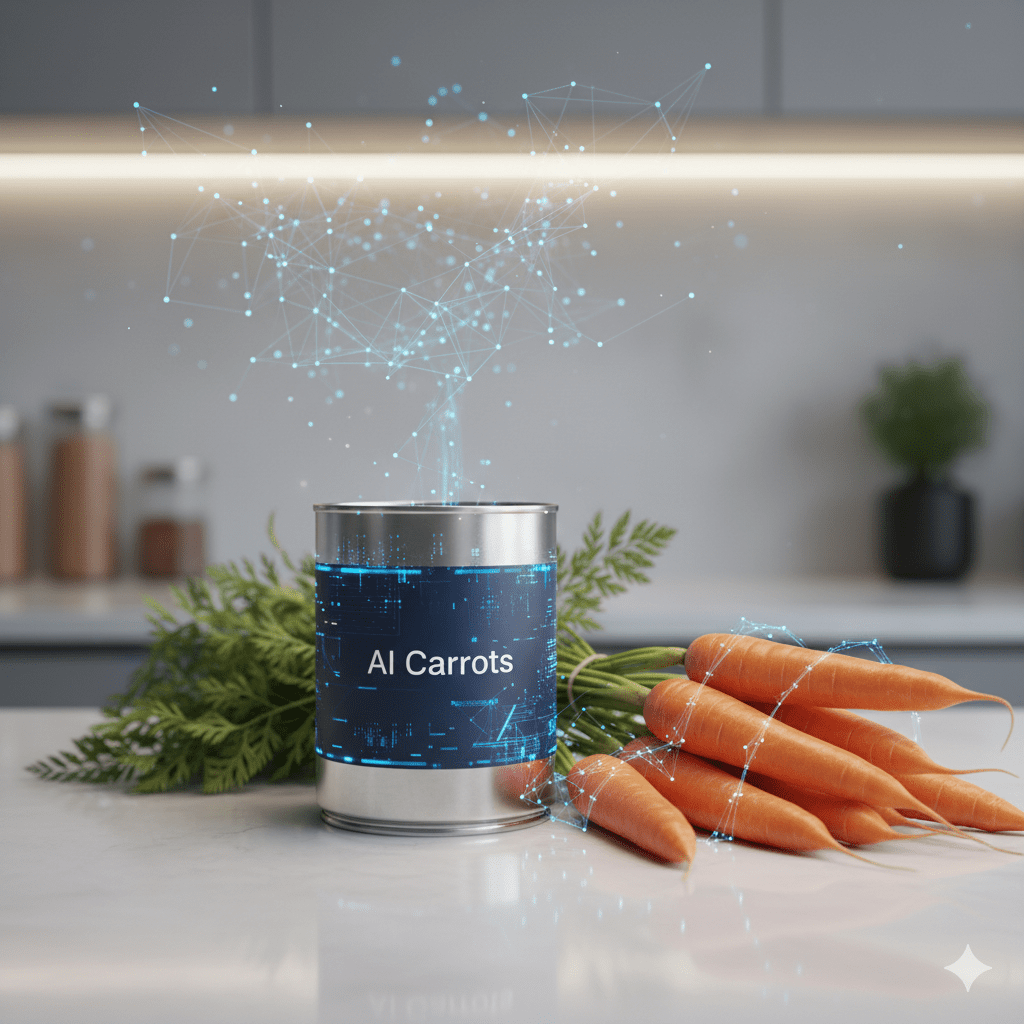
The post compares the advancement of AI in the workplace to canning and refrigeration’s impact on nutrition. It argues that, like canned and frozen carrots made nutritious food available year-round, AI tools enhance productivity and creativity. The backlash against AI resembles resistance to technological progress, despite its potential benefits.
-

The N.Y.C. Mayoral debate highlighted Curtis Sliwa’s unique approach, termed the “Sliwa Doctrine,” utilizing Cat-Jitsu principles of submission, leverage, and emotional resonance. While other candidates focused on policies, Sliwa deftly redirected conversations, leveraging his persona as a cat dad and folk hero, showcasing how emotional connections outweigh traditional political tactics.
 Perry's Pen