Perry's Pen
A showcase for George Perry's writing
Tag: AI
-

In the 50s and 60s, individuals could send poems with $50 to create personalized records, primarily in country and pop genres, utilizing session musicians. This art form mirrored modern AI systems, as both produce results without true talent. Song-Poems democratized artistry, reflecting ongoing discussions about creativity’s essence in the AI era.
-
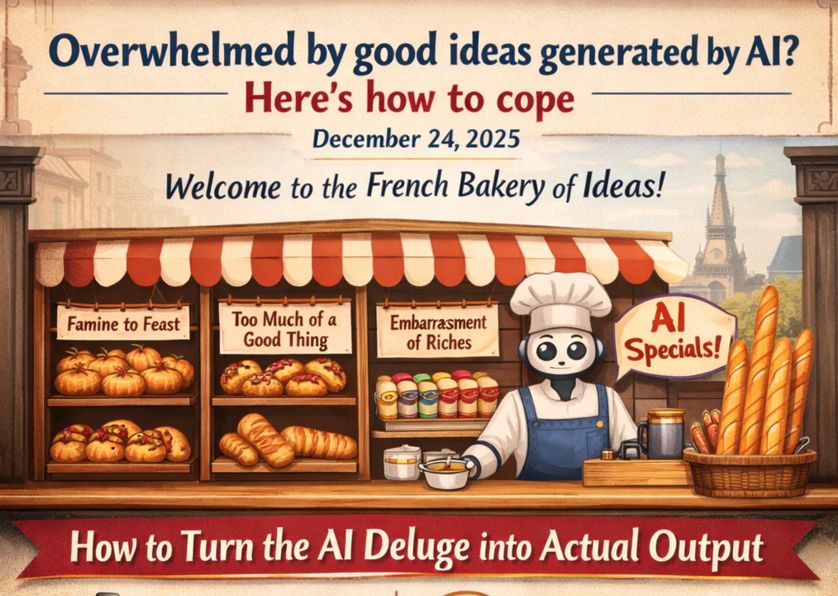
AI has revolutionized brainstorming, providing an abundance of ideas akin to a French bakery. However, the challenge lies in selecting and executing the best concepts amidst overwhelming choices. Effective strategies include a filtering process, prioritizing impactful ideas, and purging stagnant ones to ensure creative productivity and avoid losing valuable potential.
-

Q: i saw two very similar posts on LinkedIn today. Both took a long talk talking about how wonderful their daughter is. Then they said that AI caught them cheating, and asked What do you think? at the end. What is going on? AI: What you’re describing is a trend on LinkedIn—and increasingly on other…
-

William S. Burroughs, an iconic figure of counter-culture, pioneered radical artistic methods like the cut-up technique and shotgun paintings, anticipating debates in today’s AI and LLMs. His experiments with randomness and creativity foreshadow modern generative methods, connecting 20th-century literature to contemporary AI discourse on authorship and creativity.
-

The author expresses a strong dislike for em dashes, attributing this aversion possibly to their social class rather than age. They humorously note that such punctuation was absent from their background and share a fun memory of working on the DASH line at a Ford truck plant, emphasizing their unique perspective.
-

The argument claiming that generative AI is theft equates learning with larceny, overlooking that observation and analysis do not constitute duplication. Like students and teachers, AI processes information to create new art, reflecting collective human heritage. Copyright protects expression, not ideas, emphasizing that creation is rooted in shared knowledge and inspiration.
-

The author responds to being labeled a purveyor of “AI SLOP,” arguing that such dismissive terms reflect ignorance. They share humorous AI-generated definitions of those who use it and outline their trust in AI-generated content after initial skepticism. The article emphasizes the influence of AI on society despite opposition.
-

In this evolving creative landscape, the individual is not a passive observer but an orchestrator. One directs a powerful digital system to realize a creative vision, analogous to a film director managing a production or Warhol supervising the creation of iconic pop art. The canvas is digital, the brush is code, and the primary limitation…
-

The content reflects frustration with the overwhelming anti-AI rhetoric on platforms like LinkedIn, which feels repetitive and exhausting. The author encourages constructive discussions instead of negativity, suggesting that individuals should focus on learning and leveraging AI as a beneficial tool, thereby transforming their energy into positive gains.
-
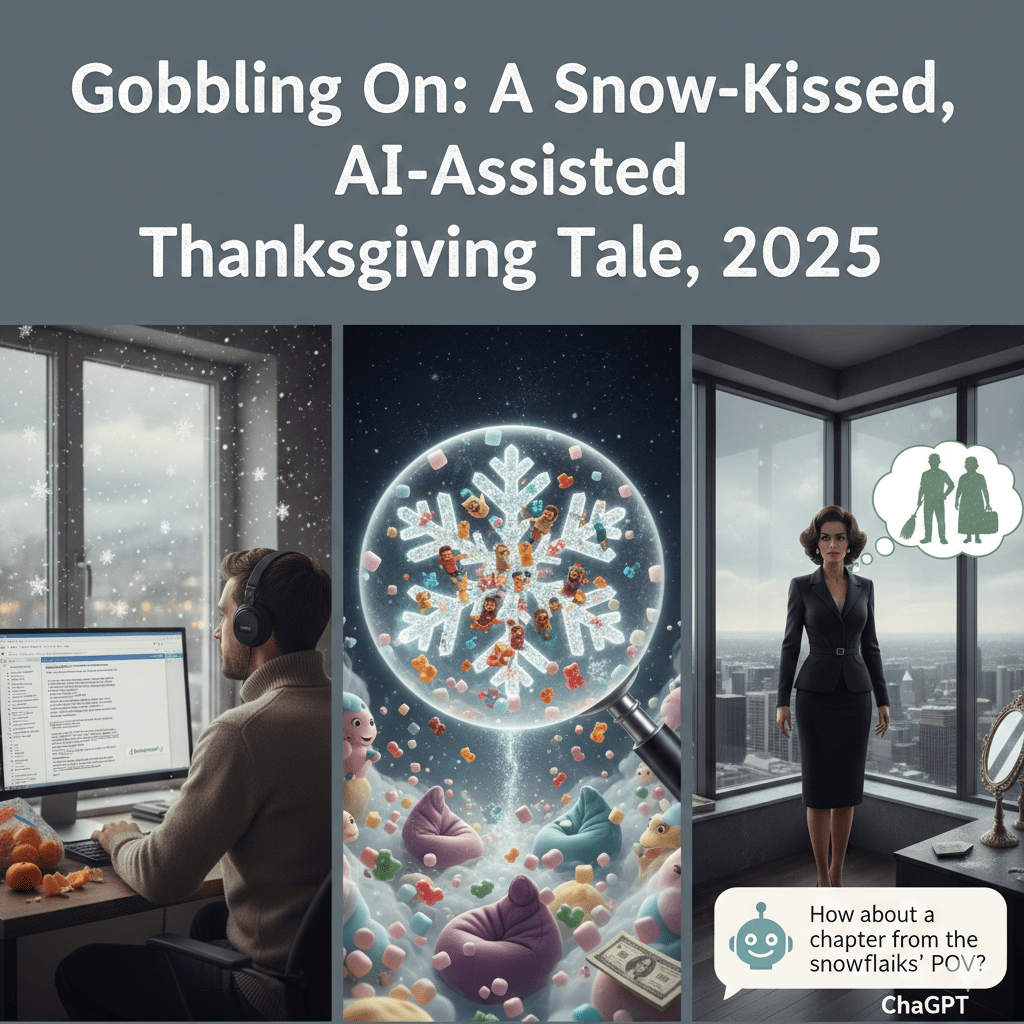
The author reflects on feeling down during Thanksgiving, experiencing jealousy over American traditions while being in Canada. Despite initial sadness, they create a story idea involving a troubled CEO after engaging with AI. The experience turns unexpectedly positive as inspiration flows, leading to creative output and a light-hearted interaction with ChatGPT.
 Perry's Pen